
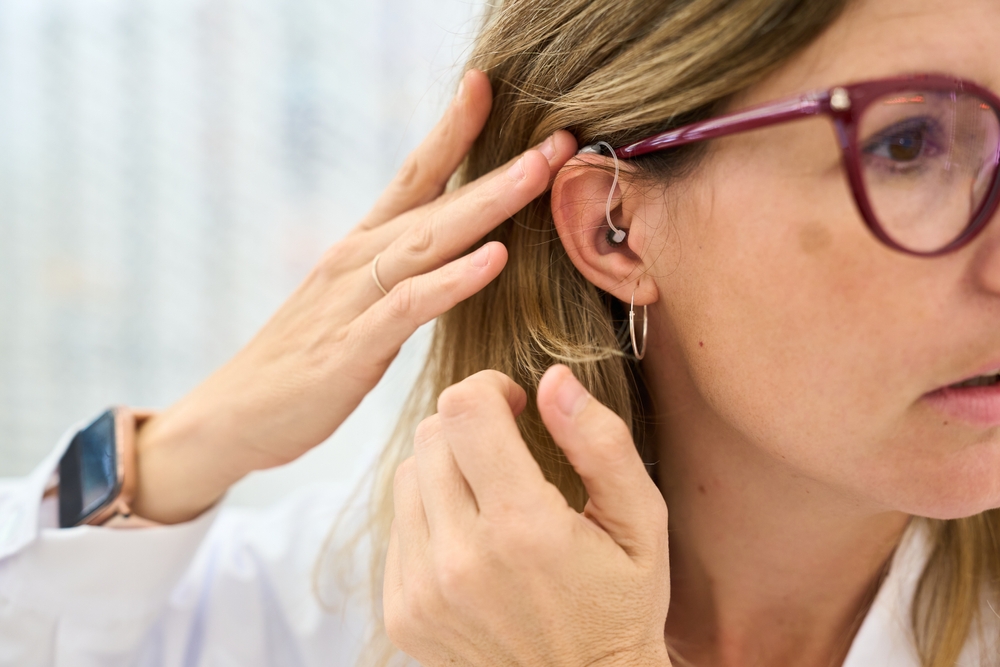
It is incredibly common for individuals to resist getting hearing instruments simply because they dread a bulky appearance or an uncomfortable fit. That defensive reaction is totally logical from a consumer standpoint! In various scenarios, patients expressed fear that wearing an obvious device would cause peers to omit them from casual conversations due to perceived listening limitations.
For many people, this image has stuck, making them hesitant to take the next step. The liberating truth is that twenty-first-century auditory tech offers a level of cosmetic elegance and physical comfort that surprises most patients. Advances in design and technology have made them smaller, more comfortable, and far more discreet.
If you have spent years avoiding an audiologist due to the appearance of old devices, now is the perfect moment to explore today’s sleek alternatives!
The Outdated Devices of Your Imagination Have Been Replaced
When most individuals conjure an image of assistive listening technology, they envision a massive beige plastic chassis hooked over the pinna and obvious to everyone nearby. Should that be your current expectation, you are inadvertently recalling the clunky designs common to the 1980s and 1990s.
Since that era, the manufacturing landscape for hearing solutions has completely transformed. Exponential leaps in digital circuit shrinking, industrial design, and audio computing have totally redefined contemporary hardware. They’re smaller, sleeker, and designed to blend in (or disappear entirely).
Many of today’s devices sit fully inside the ear canal, making them virtually invisible during everyday conversation. Alternatively, post-auricular models are constructed with such streamlined dimensions that they disappear against the scalp, customizable to complement individual skin and hair coloration.
Navigating Modern Hearing Technology: The Three Core Styles Evaluated
For those investigating what these advanced acoustic tools look like in real life, consider this straightforward guide:
Invisible-in-Canal (IIC) Technology
These are as discreet as it gets. IIC devices sit completely inside the ear canal and are custom-made to fit your ear. When engaging with others at standard social distances, these units are utterly unnoticeable to the naked eye. They’re a popular choice for people with mild to moderate hearing loss who prioritize subtlety.
The Versatile Receiver-in-Canal (RIC) / Receiver-in-the-Ear (RITE) Style
This is the most common style today. A micro-housing rests behind the upper pinna, transferring processed sound via an ultra-fine, translucent micro-wire to an acoustic driver nestled inside the canal. To a casual observer, their clean lines often mimic high-end commercial wireless earbuds. The vast majority of peers will fail to perceive the apparatus unless conducting a highly deliberate close-up inspection.
Behind-the-ear (BTE)
These sit fully behind the ear and are slightly larger, but they’re still far more streamlined than older versions. Frequently utilized to remediate severe-to-profound auditory loss, they maximize gain and processing capability while maintaining a highly professional, low-profile aesthetic.
The bottom line is simple: modern assistive hearing systems are crafted to serve your life quietly, not to draw attention to your ears.
Modern Hearing Aids: Looking Better and Doing a Lot More
It is vital to recognize that this technological revolution is not simply a visual upgrade. Today, they function more like smart devices than traditional medical equipment. Most current systems boast universal wireless syncing, channeling smartphone calls, high-definition music, and television broadcasts directly to your internal receivers.
Through proprietary mobile apps, patients can effortlessly adjust acoustic thresholds or modify directional settings completely hands-free. Should you transition into a loud social environment, you can instantly recalibrate your directional microphones via your phone screen. Furthermore, lithium-ion rechargeable cells have entirely eliminated the need to fiddle with microscopic, short-lived zinc-air batteries. Just place them on a charger overnight, like your phone.
Getting Over the Fear and Stigma of Hearing Devices
Despite understanding these technological quantum leaps, psychological resistance remains highly common. Scheduling an appointment can feel like a profound internal challenge because it represents an open admission of sensory alteration. This realization can occasionally induce feelings of helplessness, leaving patients feeling detached from their own physical autonomy.
Consider a healthier perspective: wearing a contemporary hearing system does not mean your body has failed you. They are simply tools for managing standard lifecycle changes, which are a normal part of the human experience. Choosing to hear better is absolute evidence that you are choosing to optimize your body and enhance your overall quality of life.
Imagine wearing a discreet, barely (if at all) visible device and finally being able to follow along in conversation, hear better in crowds, and focus on the things that really interest you. Talk about empowering!
Discover the Reality of Modern Otolaryngological Solutions
To dismantle old assumptions, the best strategy is to witness these design breakthroughs with your own eyes. We encourage you to drop by our office, address your concerns, and hold these miniature devices yourself with zero sales pressure. Consider it a chance to see and feel how different modern hearing aids really are.
The overwhelming majority of our patients leave their consultation thoroughly amazed by the compact scale, luxurious comfort, and acoustic clarity of current technology! Do not let outdated myths delay your wellness—call our specialized practice or book your appointment online today.