
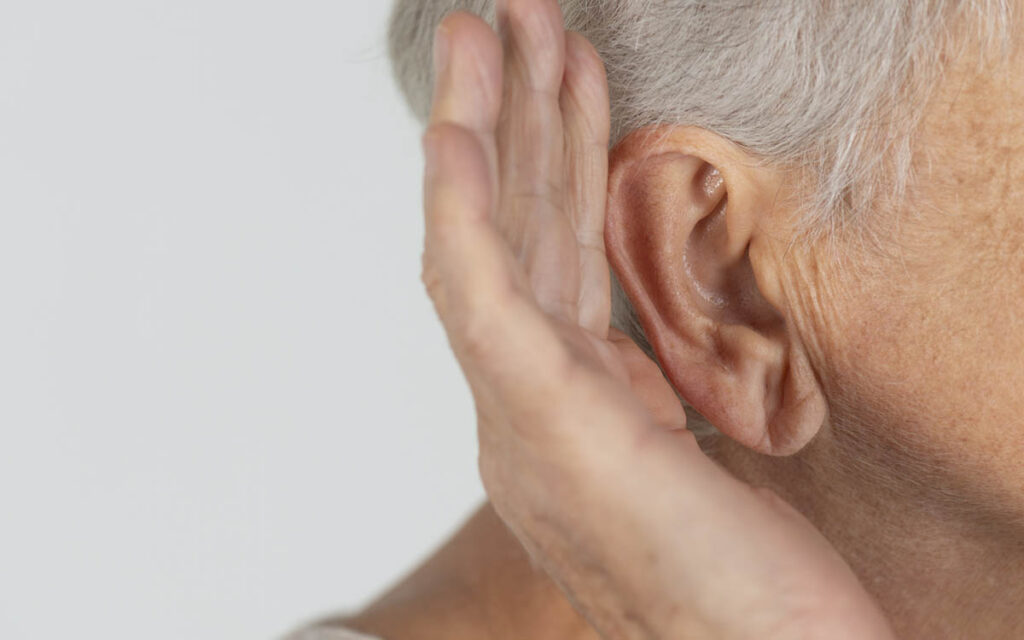
While many individuals correlate hearing loss to senescence, though for a significant portion of the population, hearing damage begins much sooner. Among the most frequent and preventable categories of auditory damage, noise-induced hearing loss frequently develops incrementally, advancing subtly and remaining undiagnosed until the clinical effects are permanent.
An objective understanding of noise-related auditory impact over time facilitates proactive protection before significant hearing loss occurs.
Pathophysiology of Noise-Related Acoustic Injury
This form of hearing loss is precipitated by excessive acoustic energy damaging the fragile internal structures of the auditory system. Data from the CDC indicate that, sustained or frequent exposure to sounds exceeding 85 decibels, such as heavy traffic, can initiate auditory damage. More intense acoustic stimuli, such as power equipment or firearms, are capable of inducing auditory trauma in a matter of minutes.
Within the cochlea are specialized sensory structures referred to as hair cells. These units are responsible for translating sound waves into the electrical signals required for auditory perception. Because hair cells cannot repair or replace themselves once damaged, hearing loss resulting from noise is generally a permanent physiological state.
Understanding How Hearing Damage Advances Over Time
A primary clinical concern regarding noise-induced hearing loss is its typically slow rate of progression. Initial signs of auditory overexposure may present as:
- Occasional instances of Tinnitus, characterized by ringing or buzzing sounds
- Post-exposure auditory dullness or perceived muffling of sound
- Impaired speech discrimination in the presence of background noise
Initial symptoms may subside, frequently resulting in the incorrect assumption that hearing function has returned to baseline. Despite the lack of symptoms, persistent noise exposure causes cumulative injury to the ear, leading to a progressive decline in hearing resolution.
According to the hearing loss Association of America, nearly 48 million citizens live with hearing loss, frequently with unidentified etiology.
Everyday Sounds Linked to Auditory Injury
Modern society is characterized by high ambient noise, which frequently leads to a lack of awareness regarding sound intensity. As a result, many individuals remain unaware of the clinical prevalence of damaging noise exposure.
Typical noise-generating sources consist of:
- Concert settings and loud musical performances
- The use of headphones at unsafe volume settings
- Gas-powered lawn tools, industrial machinery, and motorcycles
- Industrial workplace environments such as warehouses and construction sites
Because these sounds are often part of daily life, damage can accumulate without clear warning signs.
Why Proactive Safeguards Are So Important
A distinguishing factor of noise-induced hearing loss is the lack of clinical reversal options. The condition is, however, susceptible to effective preventative strategies. Simple protective habits can significantly reduce risk, including:
- Employing earplugs or specialized earmuffs during high-decibel exposure
- Limiting headphone decibels and implementing the 60/60 rule for safe listening
- Incorporating auditory rest periods to allow for physiological recovery
- Arranging for routine Audiology assessments if noise exposure is frequent
Guidelines for Requesting Hearing Screenings
The presence of chronic Tinnitus, impaired speech recognition, or altered auditory clarity warrants a professional Audiology consultation. Early assessment is critical for monitoring, education, and the development of protective strategies to help preserve your hearing.
Implementing protective measures today safeguards your auditory capacity for the years ahead. While environmental noise is often inevitable, hearing loss is a preventable outcome. Contact our team today to schedule a consultation and make sure you’re hearing your best.