
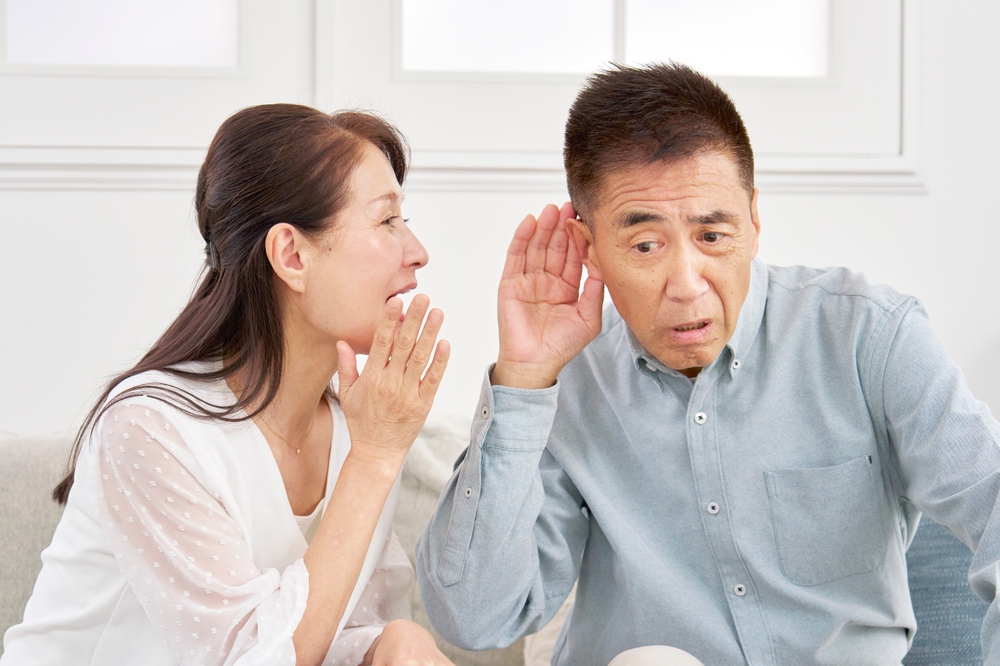
Prevalent myths regarding hearing loss frequently act as a barrier to necessary audiological treatment. Early diagnostic accuracy is essential for anyone experiencing the onset of hearing loss. Accepting hearing myths as fact typically results in late-stage intervention and diminished communicative function.
Identifying the facts behind auditory health allows you to navigate clinical options with technical certainty. Let’s take a closer look at seven hearing loss myths that deserve to be clarified, along with the truths that put them in their place.
1. Myth: Only Older Adults Have Hearing Loss
Though presbycusis is a standard clinical finding, hearing loss impacts every biological demographic. Factors such as acoustic trauma, genetic markers, ototoxic drugs, and viral infections trigger hearing issues in youth.
Labeling hearing loss as a senior-only problem often causes younger patients to overlook critical early warning signs.
2. Myth: If I Can Hear, I Don’t Have Hearing Loss
Hearing loss doesn’t have to mean complete deafness. Individuals with moderate deficits may hear volume but lack the clarity required for word discrimination. A broad range of auditory dysfunctions exists between asymptomatic hearing and complete deafness.
Early symptoms frequently manifest as “cocktail party effect” struggles or a need for constant clarification from speakers. Such symptoms are early clinical indicators that the auditory processing system is under stress.
Myth Three: The Misconception of Minor Impact
The ramifications of unmanaged hearing loss extend far beyond simple conversational struggles. Evidence-based research correlates auditory neglect with social anxiety, mental fatigue, and depressive symptoms.
Proactive hearing care is a vital component of maintaining cognitive health and emotional stability.
Myth: Amplification Devices Accelerate Ear Damage
The fear that hearing aids weaken the natural ear is a persistent but medically unfounded myth.
Hearing aids do not damage your ears. Instead, they amplify sounds based on your hearing test results. Consistent use of hearing aids maintains the neural pathways required for clear sound interpretation.
Myth: All Hearing Aids are Bulky and Noticeable
Modern hearing technology has advanced significantly. Contemporary hearing aids deliver elite processing power within incredibly discreet housings. Numerous models—such as Invisible-in-the-Canal (IIC) devices—remain completely hidden during daily use.
These devices provide high-tech solutions like automatic environment sensing and hands-free calling functionality.
6. Myth: If My Hearing Loss Is Mild, I Don’t Need Treatment
Even a subtle auditory deficit can significantly increase the cognitive load required for daily conversation. Addressing loss early eliminates listening fatigue and protects against chronic mental exhaustion.
The earlier that hearing changes are addressed, the easier it is to adapt and maintain strong communication skills.
Myth: One-Size-Fits-All Hearing Solutions Work for Everyone
While OTC options offer simple volume boosts, they cannot address the unique nuances of your ear health. Professional diagnostics ensure your hearing solution is “tuned” to your specific environment and biology.
Individualized care ensures your device feels natural while providing crystal-clear sound quality.
Don’t Let Hearing Loss Myths Hold You Back
Feeling anxious about hearing changes is normal, but avoidance only exacerbates the underlying problem. But believing common myths about hearing loss can make symptoms more challenging over time. You’ll find that a hearing screening is a comfortable and highly enlightening clinical experience.
If your ears feel “different,” scheduling a formal evaluation is the responsible next step for your health. Early intervention can improve not only communication, but also overall quality of life.
For more information or to book your next hearing test, please contact our clinic today. Our team is available for appointments: Call us today to protect your hearing.