
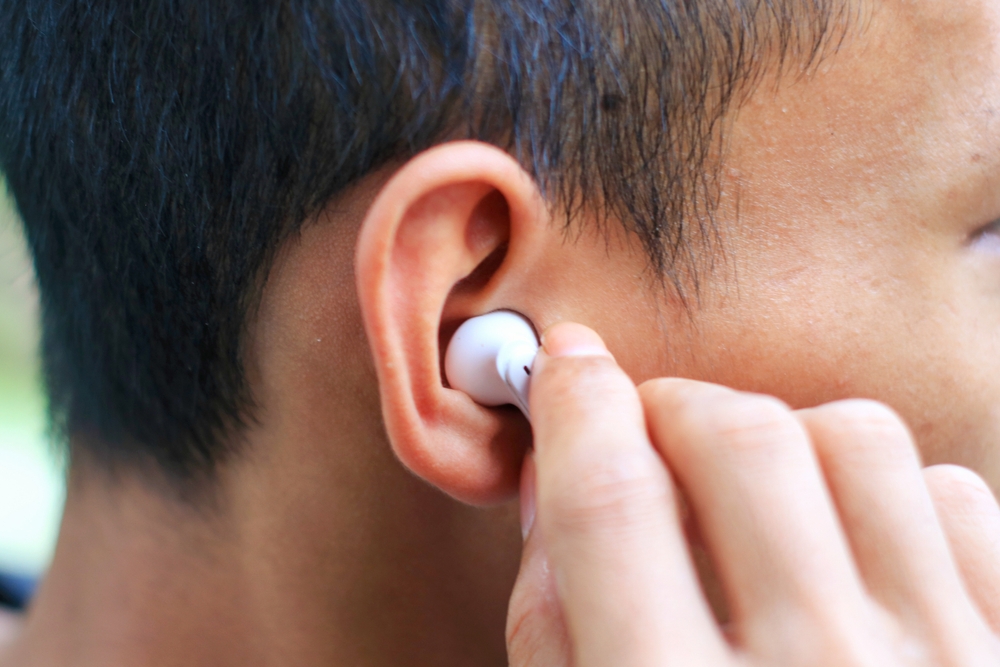
Rarely do we see a young adult in public without an earbud in their ears. Even with their larger footprint, headphones remain a popular choice for teenagers looking to disconnect from the world. Musical enjoyment knows no age limit, though the younger generation has integrated it more deeply into their daily transitions. So, can headphones cause hearing loss since they are so close to our ears? The danger is not inherent to the technology but is instead a product of specific usage habits.
Too Much of a Good Thing
The right music can induce a state of relaxation, provide spiritual comfort, or drastically boost energy levels. The outcome is entirely dependent on the genre and frequency of the audio. Personal audio tech provides a convenient way to consume media without infringing on the silence of those nearby. That’s a positive thing, and most people will tell you that they are grateful and prefer that on a train or bus.
The essential inquiry remains: at what decibel level and timeframe does listening become dangerous? The biological fact is that high-intensity sound waves are inherently damaging to the auditory system. Combining high-intensity sound with extended exposure times can lead to permanent sensorineural damage. Because auditory decline is often a slow, cumulative process, the damage is frequently advanced before symptoms are noticed.
The Key Dangers of Headphones and Earbuds
High volume stands as the most significant threat to the preservation of hearing sensitivity. Yet, we must remember that the length of time spent listening is equally important as the decibel level.
- According to the NIH, maintaining a threshold below 70 dB ensures safety, even during extended listening periods.
- Louder noises will cause hearing damage faster than quieter sounds.
- Implement the 60/60 safety protocol by capping volume at 60% and taking a break every 60 minutes.
- You can safeguard your auditory health by reducing device intensity and monitoring your cumulative daily usage.
Red Flags: When to Suspect Hearing Impairment
If you notice muffled speech, struggle with background noise, experience **tinnitus**, or constantly require others to speak up, a professional evaluation is necessary.
Schedule an appointment with our specialists if you believe your auditory health has been compromised.