
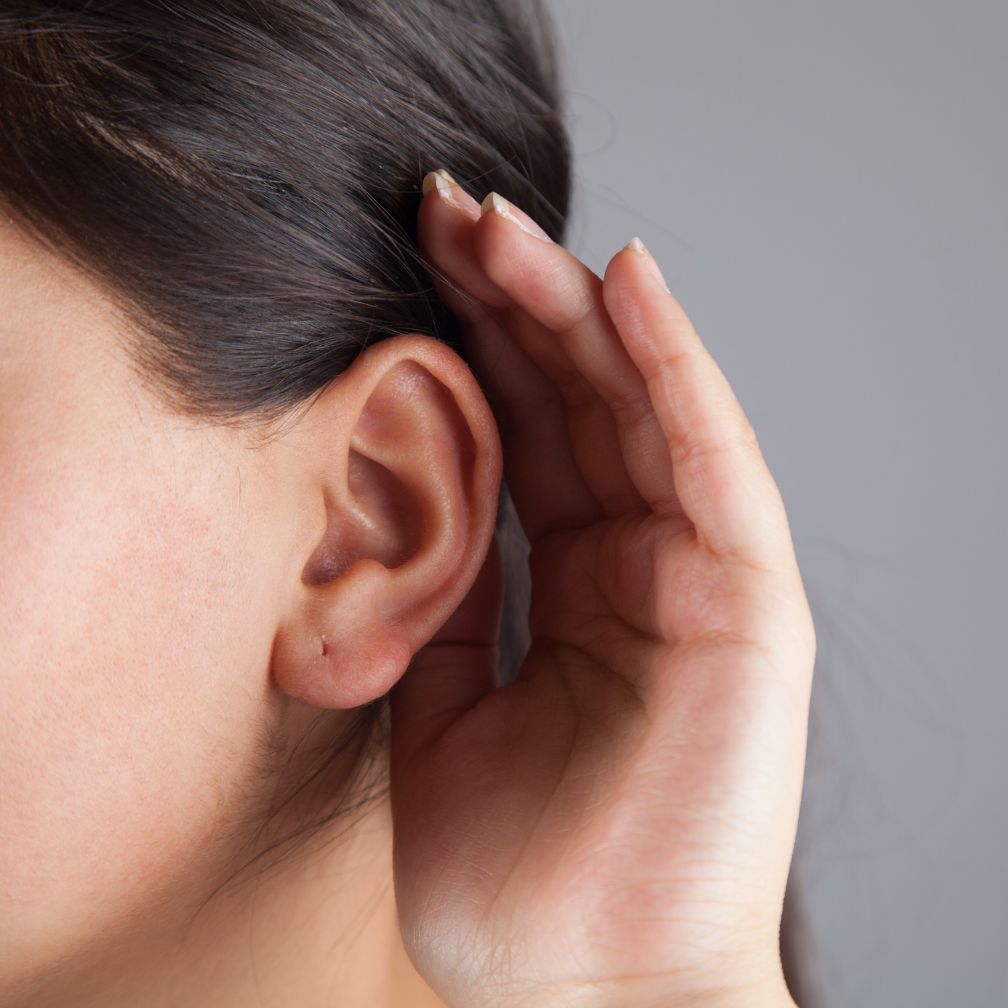
Have you noticed an unusual auditory sensation that mimics baseline white noise or a steady breeze in your ears? Why is this disruptive acoustic phenomenon completely silent to everyone else? This localized head noise is a genuine physiological event, not a trick of the mind.
Fortunately, your symptoms do not point to “phantom ring syndrome,” a psychological habit among heavy smartphone users who mistakenly believe their device is vibrating or ringing in silence.
More than likely, you are experiencing a very common peripheral vestibular and auditory condition known as tinnitus. To be perfectly clear, the frequency you are tracking is completely real, and specific environmental factors can actively exacerbate your tinnitus.
You can still hear what people say. It merely creates a frustrating sensation where a phantom frequency is constantly layered over every real-world sound.
Let’s look at where this white noise comes from, what it is, and what you may be able to do to reduce or get rid of it.
Demystifying Tinnitus: Connecting Auditory Damage to Phantom White Noise
Tinnitus is (usually) a form of hearing loss. It is uniquely defined by a steady or variable acoustic signal that registers on top of everyday conversations. Depending on the exact etiology of your condition, the frequency may blend into the background for most of the day. Or you may be saying, this white noise in my head feels deafening, threatening to take my sanity.
You’ve probably tried to explain to people what you’re experiencing, but this form of hearing loss is difficult for people to understand if they’ve never experienced it for themselves.
You might find yourself wondering how a humming noise that sounds so incredibly vivid inside your skull can have no external reality. You may even question your own psychological stability, wondering if the condition is a form of auditory hallucination. It is deeply frustrating that an internal frequency can actively block your ability to understand clear speech from colleagues. Or sleeping?
Nocturnal Amplification: What Happens When Ambient Sound Drops
You’ve probably noticed that the quieter it is, the worse your tinnitus gets. This structural shift happens because the internal hum doesn’t have to fight against real-world sound waves—as seen when people lock down their bedrooms for total quiet at night. They choose to run no active entertainment devices, omit music, and enforce a strict policy of zero structural sound. Furthermore, being left alone with your internal thoughts allows the unprompted ear static to command your undivided attention, initiating an anxious loop that makes the volume seem significantly louder. Whether you experience soft or loud noises, low or high pitches, a quiet bedroom at nighttime is the perfect situation for tinnitus to take hold.
Differentiating Your Symptoms: Is a Rushing Wind Sound Actually Tinnitus?
Not only does the disorder defy easy explanation to outsiders, but sharing notes with another patient can frequently muddy the waters. Because their internal audio profile may feature entirely unique pitches or patterns compared to your own, you might mistakenly assume your specific condition has a different medical diagnosis.
Yet, despite these tonal differences, your underlying diagnosis remains highly probable. The explanation is simple: this auditory deficit is incredibly diverse, crafting unique sensory experiences for each patient’s brain layout. These include, but aren’t limited to, hearing:
- TV static
- Humming
- An active, vibrating internal buzz resembling an electrical current
- Ringing
- A rhythmic, low-end physical thumping sensation
- A steady, monotonous frequency resembling an active dial tone
In most cases, you’re the only one who can hear the white noise caused by tinnitus. Consequently, if you request that your family doctor physically verify the noise during an office visit, they lack the tools to do so. Instead, your regular physician must depend completely on your personal testimony to chart the condition.
This can cause people to feel invalidated by a doctor who doesn’t specialize in hearing loss.
Consider the case of Thomas, a veteran steelworker, who recounted: ‘When the constant buzzing first developed, I brought it up during a checkup with my regular doctor. While the physician did agree that it matched the description of tinnitus, he completely underestimated how exhausting the background noise was to my mental health. He spoke about it like it wasn’t really there. He essentially told me to push it out of my mind, leaving me with zero actionable treatments or relief options.’
Speaking with a specialist can help solve this problem and can help identify solutions. In many clinical scenarios, the specific tonal characteristics of your internal noise provide vital diagnostic data regarding the most effective intervention path.
When the Internal Static Matches Your Pulse: Understanding Pulsatile Symptoms
The diagnostic tracking process is made difficult by the reality that your internal head noises can take on completely unexpected mechanical characteristics. For instance, if your internal static takes the form of a mechanical whooshing or rhythmic throbbing that mirrors the exact timing of your physical pulse, your diagnosis may be pulsatile tinnitus.
Happily, clinical teams can resolve this whooshing variation more definitively than traditional ringing, given that its roots are usually tethered to physical circulatory issues like hypertension or carotid artery changes.
That whooshing sound can also be brought on by the flow of blood through narrow veins in your head, which is called a bruit. It is absolutely imperative to have this symptom evaluated by a specialist, as this mechanical murmur can occasionally warn of severe cardiovascular blockages that precede an acute stroke or seizure.
When Your Phantom Noise Is Measurable to an Outside Observer
Make no mistake: tinnitus is a highly disruptive, legitimate medical disorder that inflicts significant stress on a patient’s routine. While it often can’t be diagnosed, there are rare instances that concern pulsatile tinnitus, where a hearing specialist trained to treat tinnitus can use instruments like a stethoscope to hear what you’re hearing. Remember, this external diagnostic confirmation is exclusively possible within vascular profiles, which occur far less frequently than standard subjective ear ringing.
How did I get tinnitus? What caused this humming noise in my head?
The most common cause of tinnitus is a loud noise that you were exposed to over a period of time. Consequently, we see a massive volume of cases among stage performers, industrial operators, and manual laborers who face heavy acoustic strain day in and day out over decades.
Occupational data highlights several high-risk industries where workers frequently develop severe auditory ringing, including:
- Factory Work – You’re around noisy machines all day long, so that’s got to do something with your senses, right? On top of the noise, factory work can be stressful, which is another factor that leads to tinnitus and, over time, can make it much worse. Do you work near a pneumatic riveter? They are some of the worst, clocking in at over 125 decibels, which is loud enough to cause immediate, permanent hearing loss, as well as severe cases of tinnitus.}
- Modern Farming – The primary danger on a homestead isn’t the livestock. While a nearby rooster can hit 90 decibels, the mechanical components of modern farming pose a much greater threat to your long-term hearing health. High-horsepower tractors, massive combines, heavy harvesters, and high-pressure milking pumps all emit continuous, dangerous decibel levels. Furthermore, basic estate upkeep can damage your ears; a standard consumer table saw outputs more than 85 decibels, which actively destroys hearing tissue through prolonged exposure.}
- Pilots and Flight Crew – At a distance of 100 feet, a standard jet engine blasts a punishing 140 decibels directly into the environment. While aviation safety rules require pilots to wear defensive ear protection, operators of light aircraft are positioned inches away from the propulsion source. Traditional headsets cannot completely block out this massive volume of sound pressure, ensuring that a career spent in the cockpit often results in a slow, progressive decline in hearing acuity and secondary tinnitus.}
- Motorcycle Traffic Enforcement – You don’t need a badge to mount a motorcycle, but spending your entire working day atop a roaring engine exposes your ears to a toxic combination of motor exhaust and high-speed wind noise that induces chronic tinnitus. This identical sensory threat applies to operators of industrial snowmobiles and personal watercraft, though such vehicles are rarely part of a standard corporate job unless you work in an exceptionally adventurous field.}
- Bartender – A person at the end of the bar calls out for a gin and tonic, and you need to be able to hear their order. But the music in these places is often so loud that you can’t hear someone right next to you, so your ears are constantly straining and working overtime to pick out what people are saying over the din. And if a live band is playing? Your ears might get damaged in the same way a musician’s hearing will.}
Across every single one of these vocational examples, the microscopic stereocilia (hair cells) inside your cochlea were physically damaged by prolonged high-decibel exposure. These minute receptors capture incoming acoustic waves and transmit them along the auditory nerve so your brain can interpret what is happening. The critical issue is that these auditory hair cells cannot replicate or heal once they have been crushed by noise, resulting in lifelong hearing distortions and chronic tinnitus.
Everyday Variables That Can Cause Your Ear Ringing to Flare
While sound exposure remains the primary cause, several everyday health and environmental variables can drive up the volume of your internal ringing.
- Anxiety and depression – Both of these afflictions can cause a vicious cycle. As your anxiety or depression symptoms intensify, your tinnitus gets worse, which then leads these mental health conditions to worsen.}
- Ignoring Your Body’s Warning Signs – Your ears possess natural defensive thresholds and experience physical discomfort when a room is too loud. Rather than simply enduring the painful volume, you must actively protect your auditory system, as these delicate cells cannot be replaced once destroyed.}
- Systemic Hypertension – Allowing your blood pressure to remain elevated can actively restrict the critical microvascular oxygen supply reaching your delicate inner ear. This cardiovascular strain not only intensifies the perceived volume of the static instantly, but it also accelerates permanent cellular damage over a long timeline.}
- Nicotine Consumption – The intense neurological irritation and withdrawal anxiety you experience between cigarettes actively magnifies your perception of the ringing. While your immediate instinct may be to light another cigarette for relief, this choice simply worsens the underlying issue over time due to the severe vasoconstriction nicotine inflicts on your circulatory system.}
- Some foods – Some people find that caffeine and artificial sweeteners make tinnitus worse. Keep a food journal to track everything you eat, along with your tinnitus level, to find out which foods make your symptoms worse.}
- Interpersonal Stress – Engaging with consistently negative or high-conflict individuals can cause your tinnitus to flare up by triggering systemic hypertension, anxiety, and mood drops. Take a moment to analyze whether certain social circles are causing you physical harm, and weigh that toll against the value of your long-term wellness. Remember, you cannot force others to change their behavior, but you can always choose to distance yourself from their environment.}
- Pregnancy – About a third of pregnant women experience tinnitus symptoms, which are often brought on by changes in their hormones and blood pressure, among other reasons.}
- Deep Wax Obstructions – Hardened cerumen accumulating deep within the canal can exert mechanical pressure on the eardrum, producing strange hums and static. Arranging to have this blockage cleared by an ENT specialist can provide immediate, total resolution of your symptoms in cases of simple impaction.}
- Pharmaceutical Interventions – Many standard therapies—ranging from prescriptive opiates and heavy antibiotics to common diuretics, cancer treatments, and basic aspirin-based painkillers—can damage the delicate structures of the inner ear. It is critical to coordinate with an otolaryngologist and your managing physician to map out the ototoxic risks of your prescriptions.}
Are there any treatments for tinnitus that work?
If you have an underlying condition, talk to your doctor. Some conditions make tinnitus worse, like anxiety or high blood pressure.
After all primary medical and vascular variables have been successfully managed, you can confidently explore specialized audiological interventions. Proven management modalities encompass choices such as:
- Holistic Stress Reduction – Committing to structured meditation, therapeutic yoga, or dedicated breathing routines helps calm an overactive sympathetic nervous system. Learning to manage mental strain naturally without reliance on alcohol or pharmaceuticals is a skill rarely taught in traditional settings. However, incorporating these behavioral techniques is highly recommended, as they deliver measurable, long-term relief from internal head noise.}
- Ambient Sound Conditioning – Implementing a bedside white noise generator can supply immediate comfort when you are trying to fall asleep. It is critically important that you never attempt to blast past the internal hum using tight headphones or loud music blocks. Doing so will only inflict further trauma on your stereocilia, driving up the baseline volume of your tinnitus over the long term.}
- Advanced Sound-Conditioning Hearing Aids – Modern digital hearing instruments can be specifically calibrated to neutralize your phantom frequencies. Current audiological devices feature sophisticated, integrated tinnitus mitigation algorithms as a standard option. During your personalized fitting session, an expert can program the device to emit an individualized counter-frequency that effectively cancels your specific ringing tone.}
- Targeted Sound Therapy – This advanced treatment path focuses on neural habituation, teaching your brain to naturally dismiss the phantom signal. Sound professionals leverage specialized audio devices to play a matching tone directly into your ear canal. This continuous, low-level stimulation helps your cognitive processors relegate the ringing to the background, allowing you to refocus your attention on meaningful external sounds.}
- Cognitive Behavioral Therapy (CBT) – This gold-standard psychological methodology is heavily utilized by mental health experts to break destructive cognitive habits and anxiety loops. If you find yourself constantly obsessing over negative current events, stressful news, or external life variables outside your control, CBT provides a powerful framework. The therapy successfully retrains your brain to shift attention toward constructive thoughts and actionable personal choices, which drastically lowers your systemic cortisol and stress levels.}
Can Ambient Static Completely Eliminate Chronic Ear Ringing?
We have all heard the expression regarding fighting fire with fire, but does it make clinical sense to combat internal static with external static? A major clinical trial recently conducted in the United Kingdom revealed that while ambient acoustic masking provides substantial relief to sufferers, it must be combined with comprehensive behavioral therapies to deliver long-term results.
It is vital to understand that a universal cure for ear ringing does not yet exist, but our current therapeutic options are exceptional at helping you minimize the daily impact of your symptoms.
What should be your primary line of defense when dealing with chronic head static? The single most critical action you can take right now is to schedule a comprehensive, professional diagnostic audiogram. This essential baseline test will reveal exactly how much the internal static is degrading your word recognition score and speech comprehension during daily conversation. Following your exam, you will be prepped to map out an advanced, highly tailored recovery plan alongside your local hearing care physicians.
When White Noise Deceives Your Brain: The Science of Musical Ear Syndrome
If you are perceiving distinct melodies or spoken words within raw static, you are likely dealing with a phenomenon separate from standard tinnitus. And don’t worry, it’s probably not a form of schizophrenia or other psychiatric condition either. The most likely cause is Musical Ear Syndrome, apophenia, or audio pareidolia. Your mind is hardwired for intense structural processing, meaning it will aggressively scan unshaped noise in an effort to synthesize familiar audio forms. When exposed to a flat wall of static, your mind can miscalculate the input and overlay an expected acoustic memory onto the noise. For example, pareidolia is when you interpret those meaningless noises into something you’ve heard before, such as music. However, if you are tracking rich, complex melodies in a room that features absolute, total silence, you may be experiencing a specialized musical hallucination.