
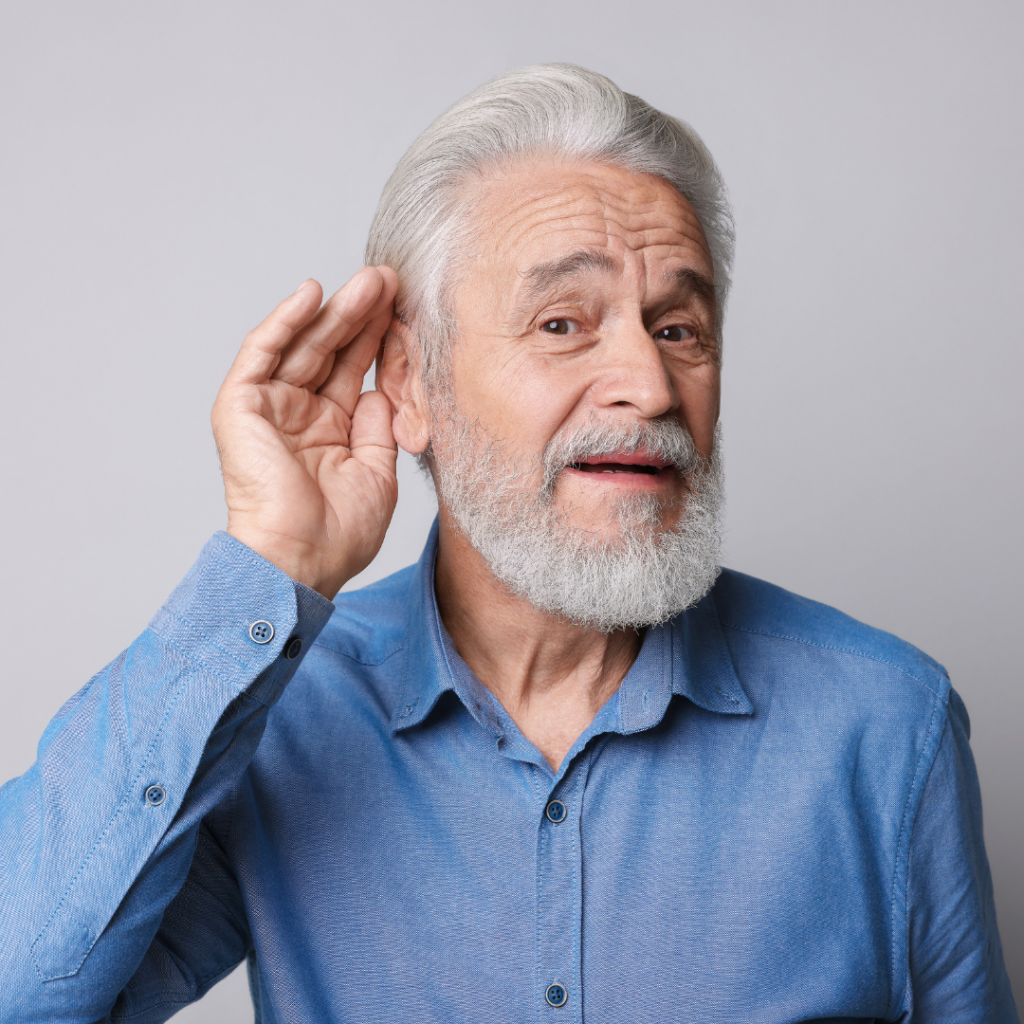
Noticing an immediate hearing loss on one side can be unsettling, leaving affected individuals wondering how to proceed. Our audiology clinic offers prompt diagnostic hearing testing and coordinates emergency medical evaluations whenever sudden hearing changes develop. Sudden hearing loss always requires immediate attention from a hearing specialist to explore treatment or hearing rehabilitation when needed.
Why Acute Single-Sided Hearing Loss Demands Emergency Care
Yes, unequivocally. Sudden hearing loss in one ear should be treated as a medical emergency, particularly when it develops within hours or over a few days. Clinically termed sudden sensorineural hearing loss or sudden deafness, this condition originates within the delicate inner ear or cochlear nerve pathways. It often occurs without pain and may be mistaken for congestion or a plugged ear.
Typical warning signs include:
- An acute reduction in speech clarity or acoustic loudness on one side
- Noticing that phone conversations sound faint, muffled, or absent on one side
- An acoustic pop or distinct feeling of canal fullness heralding the auditory change
- New ringing, buzzing, or roaring in the affected ear
- The sudden appearance of true vertigo, gait imbalance, or persistent dizziness
Do not wait for hearing to restore on its own. Connect with our clinical team, a local urgent care center, or an ENT specialist for urgent, same-day assessment.
Why Sudden Sensorineural Hearing Loss Demands Fast Evaluation
Early clinical intervention is crucial because treatment protocols for sudden sensorineural hearing loss are far more successful when commenced right away. Our immediate task involves verifying whether the impairment is conductive due to wax or middle-ear effusion, or sensorineural originating within the sensory organ or auditory nerve. These two forms of hearing loss mimic each other subjectively, yet they necessitate completely different medical treatments.
Otoscopic examination and full-battery diagnostic hearing testing determine the specific classification, audiogram pattern, and severity of the hearing loss.
Go to an emergency medical facility immediately if sudden hearing loss presents in conjunction with:
- Acute facial nerve weakness, asymmetrical drooping, or numbness
- Dysarthria (slurred speech), acute cognitive confusion, or an atypical, severe headache
- Bilateral double vision, syncopal collapse, or an inability to maintain normal walking gait
- Sudden chest pain or clinical hallmarks of a systemic medical crisis
These red-flag manifestations often signify a life-threatening neurological or cerebrovascular crisis requiring emergency hospital care rather than an outpatient visit.
Clinical Causes and Mechanisms Behind Sudden Hearing Loss
In a large majority of sudden sensorineural hearing loss cases, diagnostic testing reveals no identifiable definitive etiology. In cases where an etiology is successfully uncovered, it frequently involves localized inflammation, physical trauma, microvascular compromise, autoimmune pathology, or auditory nerve disorders.
Common clinical factors include:
- Systemic or localized viral and bacterial infections
- Traumatic brain injury, temporal bone fracture, or acute acoustic trauma
- Underlying autoimmune conditions attacking cochlear tissue
- Ingestion of ototoxic pharmaceuticals known to compromise inner ear structures
- Microvascular insufficiency, cochlear ischemia, or impaired vascular flow
- Peripheral inner ear pathologies such as classic Ménière’s disease
- Demyelinating neurological diseases like multiple sclerosis
- A vestibular schwannoma (acoustic neuroma) developing on the vestibulocochlear nerve
Given that subjective symptoms cannot distinguish between these conditions, rapid clinical evaluation and audiologic testing are vital.
Treating Sudden Sensorineural Hearing Loss: Corticosteroids and Advanced Care
Systemic or topical corticosteroids represent the standard clinical intervention for idiopathic sudden sensorineural hearing loss. Steroid medications can be administered as an oral taper or delivered via intratympanic injection through the eardrum directly into the middle ear space to diffuse into the cochlea. Our clinical team outlines therapeutic options tailored to your specific case, factoring in symptom latency, severity of the loss, comorbid medical conditions, and medication tolerances.
Corticosteroids are generally deployed within the initial two-week therapeutic window, and beginning as early as safely permitted is essential. Intratympanic steroid injections may also be recommended as salvage treatment when recovery is incomplete. In selected cases, a physician may discuss hyperbaric oxygen therapy combined with steroids.
Will Sudden Hearing Loss in One Ear Resolve Without Medical Treatment?
Certain instances of sudden sensorineural hearing loss do demonstrate spontaneous improvement without therapeutic intervention. Epidemiological data suggests that approximately 50 percent of diagnosed patients recover partial or complete auditory sensitivity spontaneously, typically within the first fourteen days. Even so, clinicians cannot reliably forecast at the start who will recover, the extent of hearing restoration, or whether recovery will be permanent.
Relying on the chance of spontaneous improvement is never a valid justification for delaying immediate medical care. Medical interventions become markedly less effective at reversing permanent deficits when delayed by weeks, closing a critical therapeutic window. Auditory outcomes differ substantially among patients, ranging from full recovery to partial or minimal improvement.
What Happens If Sudden Sensorineural Hearing Loss Fails to Improve?
Should hearing recovery remain incomplete, ongoing care is dictated by remaining hearing capacity, speech understanding scores, and definitive exclusion of secondary causes. We often coordinate a contrast-enhanced MRI study or an auditory brainstem response test to evaluate the vestibulocochlear nerve pathway.
Ongoing rehabilitative technologies include:
- A traditional digital hearing aid provided the ear demonstrates functional, aidable residual hearing
- Utilizing a CROS hearing aid system designed to stream acoustic signals from the impaired ear to the normal-hearing ear
- Bone-conduction hearing implants or transcutaneous bone processors for suitable clinical patients
- Clinical cochlear implantation for candidates meeting criteria for profound unilateral deafness
- Cutting-edge assistive listening devices to enhance speech perception in occupational, classroom, and social environments
Engaging in audiologic rehabilitation can alleviate severe listening fatigue, train sound localization, and resolve ongoing communication challenges. The appropriate auditory solution depends entirely on objective hearing test outcomes, lifestyle requirements, systemic health, and patient preferences.
Schedule an Urgent Hearing Assessment
If you have experienced an acute auditory shift today or in recent days, pursue urgent same-day medical evaluation instead of waiting for routine appointments. We conduct extensive diagnostic hearing tests, perform bilateral audiometric comparisons, analyze the onset timeline, and coordinate with an ear, nose, and throat physician or medical specialist.
Call or message our practice immediately to secure a prompt hearing appointment.